The intersection of live streaming and product design has birthed a fascinating new phenomenon - real-time customization through audience participation. Across multiple industries, from fashion to furniture, creators are handing over design decisions to their viewers through interactive polls and voting systems during live broadcasts. This democratization of design processes represents more than just a marketing gimmick; it's fundamentally altering how products get conceived and who gets to participate in their creation.
The Rise of Interactive Design Streams
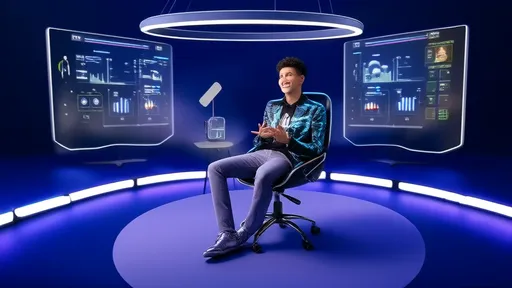
Platforms like Twitch and YouTube Live have become unexpected laboratories for collaborative design. What began as casual "choose my outfit" streams from influencers has evolved into sophisticated design-a-thons where thousands of viewers collectively determine everything from color palettes to structural components. Furniture companies stream prototype assemblies while taking real-time feedback, fashion designers adjust patterns based on viewer polls, and even automotive brands have experimented with live-streamed customization sessions for concept vehicles.
The psychology behind this trend reveals why it resonates so strongly. Viewers develop emotional investment in products they've helped shape, transforming passive audiences into active participants. "When people vote on a design element, they're not just choosing an option - they're taking ownership," explains Dr. Elena Torres, a behavioral economist studying interactive commerce. "This creates powerful neurological connections that standard advertising can't replicate."
Technical Infrastructure Behind the Scenes
Making these interactive streams work requires specialized technical setups. Most creators use a combination of polling software integrated with their broadcasting tools, often with custom APIs that tally votes and display results in real-time graphics. Some platforms have developed native voting features, while third-party services like StrawPoll and Mentimeter offer more advanced analytics. The true innovators build proprietary systems that can handle complex design permutations - one automotive stream reportedly processed over 80,000 simultaneous votes on headlight designs.
Latency presents the biggest technical challenge. Design streams need near-instantaneous vote tabulation to maintain engagement, requiring optimized streaming setups and sometimes regional servers to minimize delay. "We've had to completely rethink our content delivery network for interactive streams," admits Mark Chen, CTO of a live commerce platform. "When you're making design decisions in 30-second voting windows, even half-second delays break the magic."
Case Studies in Audience-Driven Design
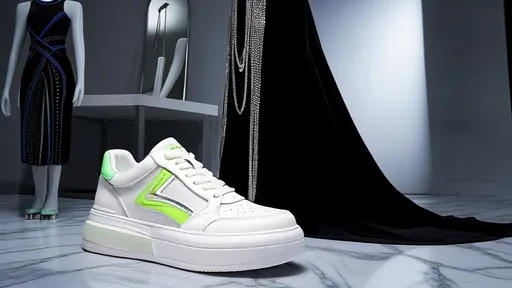
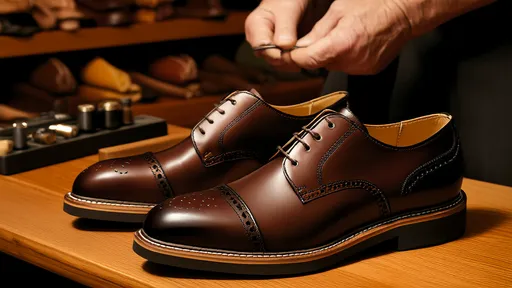
The sportswear industry provides some of the most successful examples. Last year, a major sneaker brand live-streamed the entire design process for a limited edition shoe, with viewers voting on materials, color blocking, and even sole thickness. The resulting product sold out in nine minutes despite having triple the normal price point. More remarkably, post-purchase surveys showed 87% of buyers had participated in the design stream, demonstrating the powerful conversion potential.
Home goods companies have adapted the model for furniture customization. One Scandinavian brand now streams their design workshops, allowing viewers to vote on wood finishes, fabric patterns, and even ergonomic adjustments. Their most popular item - a lounge chair with viewer-determined dimensions - has become their bestseller in three consecutive quarters. "We expected chaos but got coherence," says lead designer Ingrid Volkova. "The collective wisdom of crowds actually produces more commercially viable designs than our internal teams alone."
The Business Implications
This model flips traditional R&D economics on its head. Companies report significant reductions in product development costs, as audience-vetted designs require fewer iterations before production. More importantly, they achieve unprecedented market validation before manufacturing begins. "We've essentially moved our focus groups from post-production to pre-design," notes the VP of Product at a consumer electronics firm running weekly component voting streams.
However, the approach requires careful legal structuring. Intellectual property attorneys have identified novel copyright questions around crowd-designed products. Some companies now include voting disclaimers in their streams, while others are experimenting with blockchain-based attribution systems to track design contributions. There's also the risk of design-by-committee blandness, though surprisingly, many brands report their audience-driven products skew more avant-garde than traditional offerings.
Psychological and Social Dimensions
The phenomenon taps into deeper cultural shifts around participation and co-creation. In an era of personalized everything, consumers increasingly expect input into the products they use. "This isn't just about customization," observes sociologist Dr. Raj Patel. "It's about validation - people want proof their aesthetic sensibilities matter to brands." The streams also function as impromptu design education, with many viewers reporting improved visual literacy after regular participation.
Unexpected social dynamics emerge in these digital design studios. Regular participants often develop reputations within streaming communities as taste-makers, with their voting patterns influencing others. Some brands have identified and recruited these unofficial "design influencers" for formal consulting roles. The streams also surface fascinating regional preferences - one global cosmetics brand discovered stark differences in color preferences between Asian and European viewers that reshaped their localization strategy.
The Future of Collaborative Design
As augmented reality improves, the next evolution will likely involve real-time 3D rendering that instantly visualizes voting outcomes. Several tech firms are developing plugins that can modify CAD models based on live poll results, allowing viewers to see their choices rendered photorealistically within seconds. Other innovators are experimenting with AI systems that can extrapolate complete designs from partial audience input, potentially enabling more complex customization within tight streaming timeframes.
The model may soon expand beyond physical products. Architecture firms have begun testing live-streamed voting on building elements, while urban planners are exploring participatory design for public spaces. Even the food industry is adapting the approach, with celebrity chefs streaming recipe development with ingredient votes. As the tools become more sophisticated and audiences more design-literate, we may be witnessing the early stages of a fundamental shift in how creation itself gets democratized.
What began as a novel engagement tactic has revealed itself as something far more significant - proof that distributed creativity can produce commercially viable, emotionally resonant designs. In an increasingly digital world, these live-streamed collaborations offer something rare: genuine co-creation that leaves both brands and audiences feeling invested in the results. The products may be ephemeral, but the paradigm shift appears permanent.
By /Aug 1, 2025
By /Aug 1, 2025
By /Aug 1, 2025

By /Aug 1, 2025
By /Aug 1, 2025
By /Aug 1, 2025
By /Aug 1, 2025

By /Aug 1, 2025

By /Aug 1, 2025
By /Aug 1, 2025

By /Aug 1, 2025
By /Aug 1, 2025
By /Aug 1, 2025

By /Aug 1, 2025

By /Aug 1, 2025

By /Aug 1, 2025

By /Aug 1, 2025

By /Aug 1, 2025
By /Aug 1, 2025

By /Aug 1, 2025
