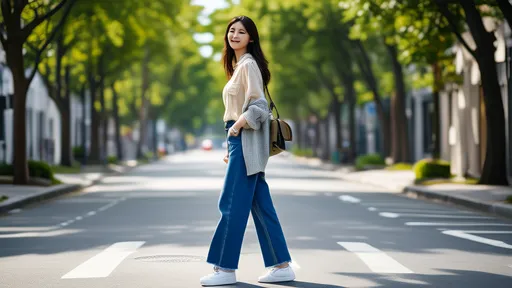
The art of vacation dressing lies in mastering the delicate balance between comfort and style. Nowhere is this more evident than in the growing trend of lightweight layered outfits that create surprising volume without bulk. As travelers seek versatile wardrobe solutions that transition seamlessly from beachside cafes to sunset cocktails, designers and stylists have responded with ingenious approaches to airy fabrics that defy their weightless nature.
Volume without weight has become the holy grail of modern travel fashion. The secret lies in selecting materials that appear substantial while actually being featherlight – think crinkled linens, gauzy cottons, and technical fabrics with memory. These textiles hold their shape during long travel days while resisting the dreaded "suitcase pancake" effect. A sheer organza shirt worn over a silk camisole creates the illusion of multiple layers while actually weighing less than a single sweater.
Seasoned travelers know that strategic draping transforms simple pieces into dimensional outfits. The magic happens when fluid fabrics are manipulated to create temporary structure – a linen scarf knotted to form an impromptu shrug, or a chiffon sarong artfully twisted into a bustier top. These spontaneous creations add visual interest while maintaining an effortless vacation vibe. The key is leaving certain elements deliberately unfinished; raw edges and asymmetrical hemlines suggest volume rather than constricting it.
Color plays a pivotal role in lightweight layering. Pale neutrals and watery pastels naturally recede, allowing textured fabrics to take center stage. When building a travel capsule, include several tonal pieces in varying transparencies – a bone-colored mesh tunic over an ecru tank creates subtle depth. For evening transformations, metallics woven into lightweight fabrics catch the light dramatically without adding physical weight. A copper-infused shawl appears substantial when draped across the shoulders yet folds down to pocket size.
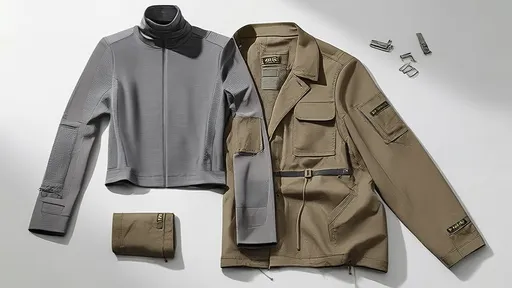
The most innovative vacation layering incorporates technical performance fabrics originally developed for athletic wear. Moisture-wicking materials with UV protection now come in elegant draping silhouettes, perfect for transitioning from temple visits to rooftop bars. These advanced textiles resist wrinkles and odors – crucial for minimalist packing. A single engineered dress can be worn six ways: as a tunic over pants, knotted as a skirt, or even transformed into a capelet when temperatures drop.
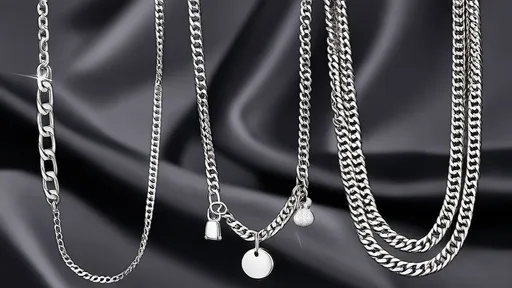
Accessories become structural elements in lightweight layered looks. Wide-brimmed hats crafted from paper straw add instant volume up top, while woven belts define the waist beneath billowy layers. The new generation of foldable bags made from space-age materials provide polished storage without weighing down outfits. Even jewelry contributes to the volume illusion – oversized resin bangles and hollow metal hoops make visual impact without baggage claim consequences.
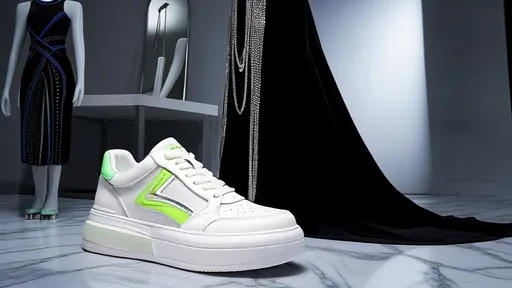
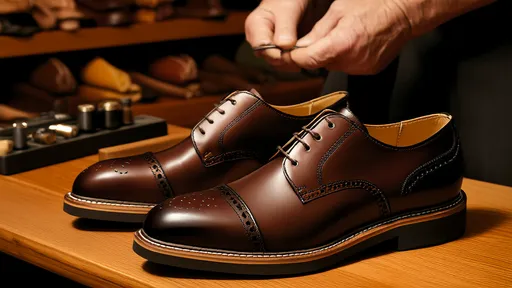
Footwear completes the equation with architectural sandals that ground airy ensembles. Designers are creating vacation shoes with clever cutouts and woven textures that appear substantial while remaining lightweight. Platform espadrilles give height without heaviness, and perforated leather boots provide coverage without warmth. The best vacation shoes feature quick-dry linings and anti-blister technology – practical considerations that don't sacrifice style.
Ultimately, successful vacation layering is about creating the illusion of effortlessness. The most polished travelers make carefully constructed outfits appear spontaneous, as if they simply threw on whatever was at hand. This studied casualness is the pinnacle of resort wear sophistication – outfits that look breezy but are actually meticulously planned. The magic happens when volume and lightness coexist, allowing the wearer to move freely between destinations while maintaining impeccable style.
As fashion becomes more intentional about sustainability, these lightweight layered approaches offer additional benefits. Fewer, more versatile pieces mean less luggage and consequently lower carbon footprints. The focus on natural fibers and technical fabrics that withstand repeated wear aligns with eco-conscious values. Vacation dressing has evolved beyond mere aesthetics – it's now about smart systems that serve both the wearer and the environment.
The future of travel fashion lies in this paradox: garments that appear structured yet feel weightless, outfits that convey polish while requiring minimal maintenance. As textile technology advances, we'll see even more ingenious solutions to the volume-weight equation. For now, the art of vacation layering remains one of fashion's most delightful challenges – creating cloud-like outfits that withstand real-world adventures.
By /Aug 1, 2025
By /Aug 1, 2025
By /Aug 1, 2025

By /Aug 1, 2025
By /Aug 1, 2025

By /Aug 1, 2025
By /Aug 1, 2025

By /Aug 1, 2025
By /Aug 1, 2025
By /Aug 1, 2025

By /Aug 1, 2025
By /Aug 1, 2025

By /Aug 1, 2025

By /Aug 1, 2025
By /Aug 1, 2025
By /Aug 1, 2025
By /Aug 1, 2025
By /Aug 1, 2025
By /Aug 1, 2025
By /Aug 1, 2025
